A Culinary Journey Across India
A Culinary Journey Across India
One State, One Signature Dish
Rajasthan — Dal Baati Churma
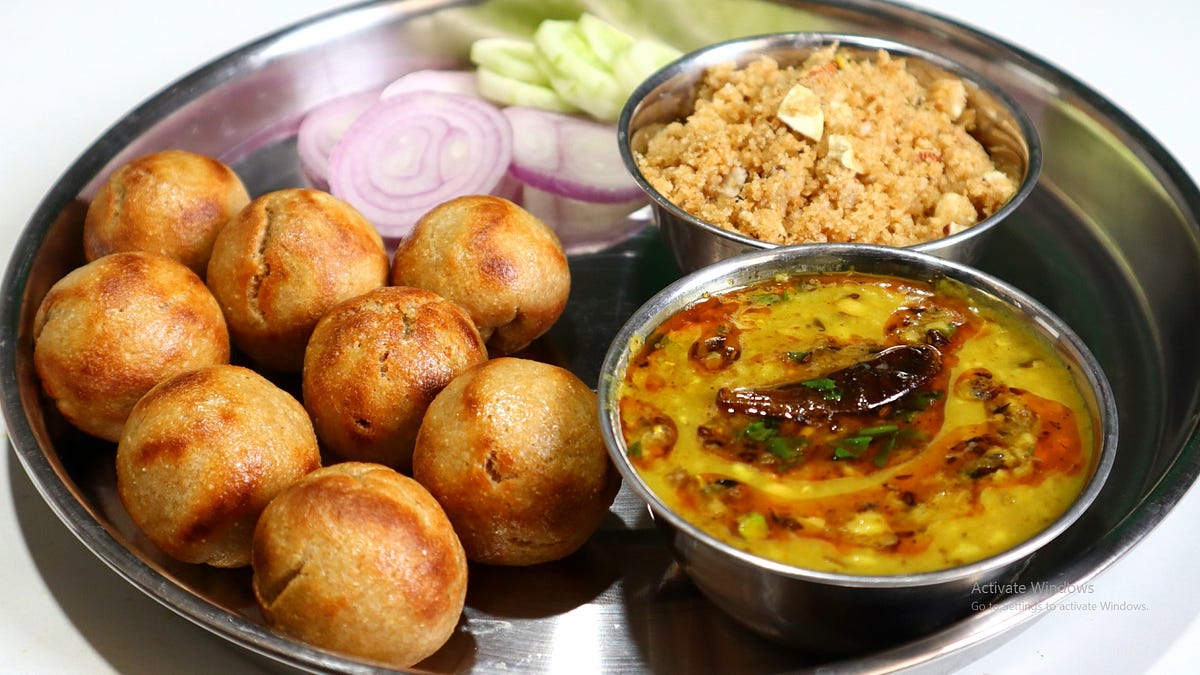
Rajasthan is known for its royal cuisine. Dal Baati Churma is a classic Rajasthani dish — spiced lentils served with baked wheat balls and a sweet crushed wheat mixture.
🫓 Preparation
1. Making Baati:
~ Mix wheat flour, semolina, salt, and ghee.
~ Knead into a stiff dough using water.
~ Shape into round balls.
~ Bake in a preheated oven at 180°C for 20–25 minutes (or roast in a traditional tandoor).
~ Once baked, dip each baati in melted ghee.
2. Making Dal:
~ Combine all lentils, wash, and pressure cook with turmeric and salt until soft.
~ In a pan, heat ghee; add cumin seeds, garlic, onion, and tomatoes.
~ Add red chili powder, garam masala, and the cooked dal.
~ Simmer for 5–10 minutes and serve hot.
Punjab — Butter Chicken
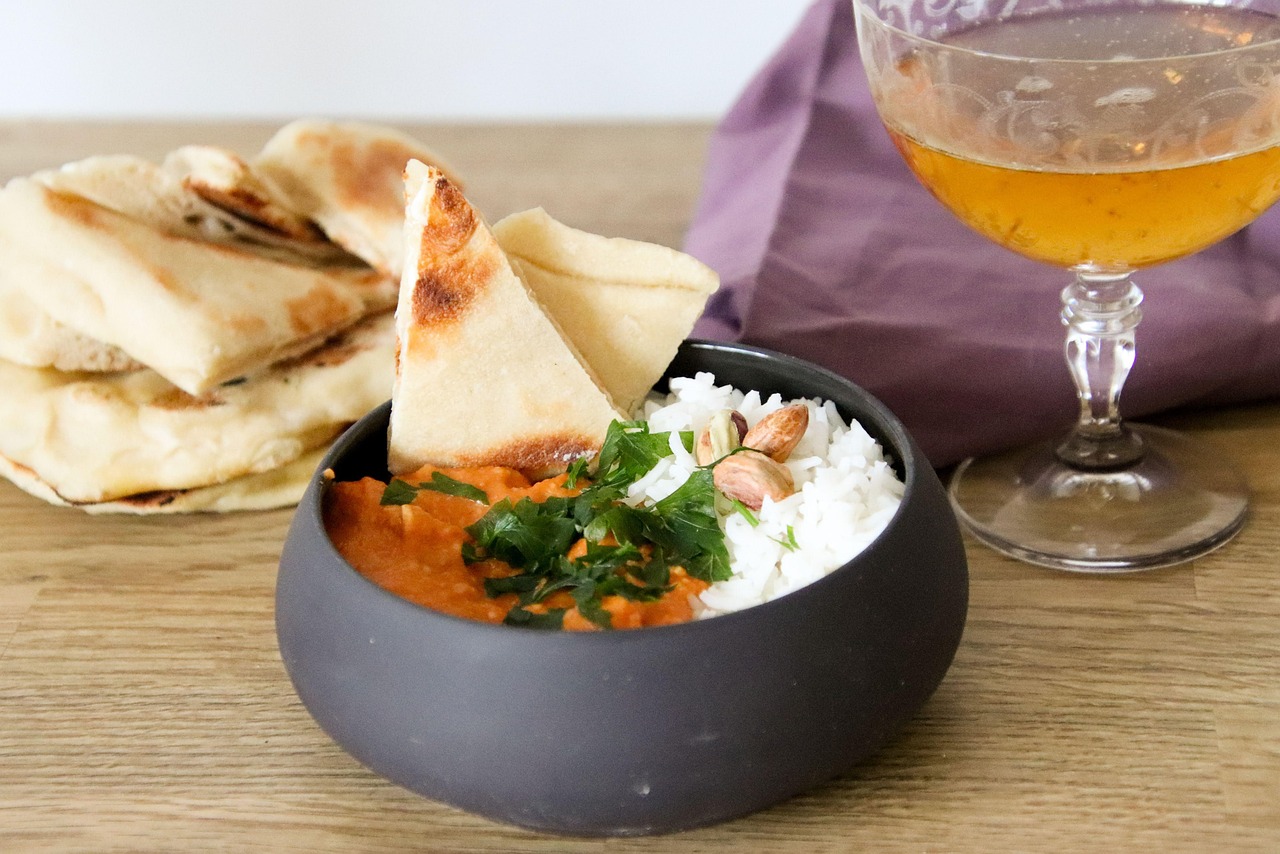
Punjab is famous for its rich and flavorful cuisine, and Butter Chicken — also known as Murgh Makhani — is one of its most beloved dishes.
Tender chicken pieces are marinated in spiced yogurt, grilled or roasted, and then simmered in a creamy tomato-based sauce enriched with butter and cream.
🍗 Preparation
1. Marinating the Chicken:
~ Mix boneless chicken pieces with yogurt, lemon juice, red chili powder, turmeric, ginger-garlic paste, and salt.
~ Let it marinate for at least 1–2 hours (or overnight for best flavor).
~ Grill, roast, or pan-fry the marinated chicken until slightly charred and cooked through.
2. Making the Gravy:
~ Heat butter in a pan and add chopped onions, ginger-garlic paste, and tomatoes.
~ Cook until the tomatoes soften, then blend the mixture into a smooth puree.
~ Return it to the pan, add red chili powder, garam masala, and a pinch of sugar.
~ Stir in cream and add the grilled chicken pieces.
~ Simmer for 5–10 minutes until the sauce thickens and becomes creamy.
3. Serving:
~ Garnish with fresh cream, coriander leaves, and a drizzle of melted butter.
~ Serve hot with naan, roti, or steamed basmati rice.
West Bengal — Fish Curry & Rice
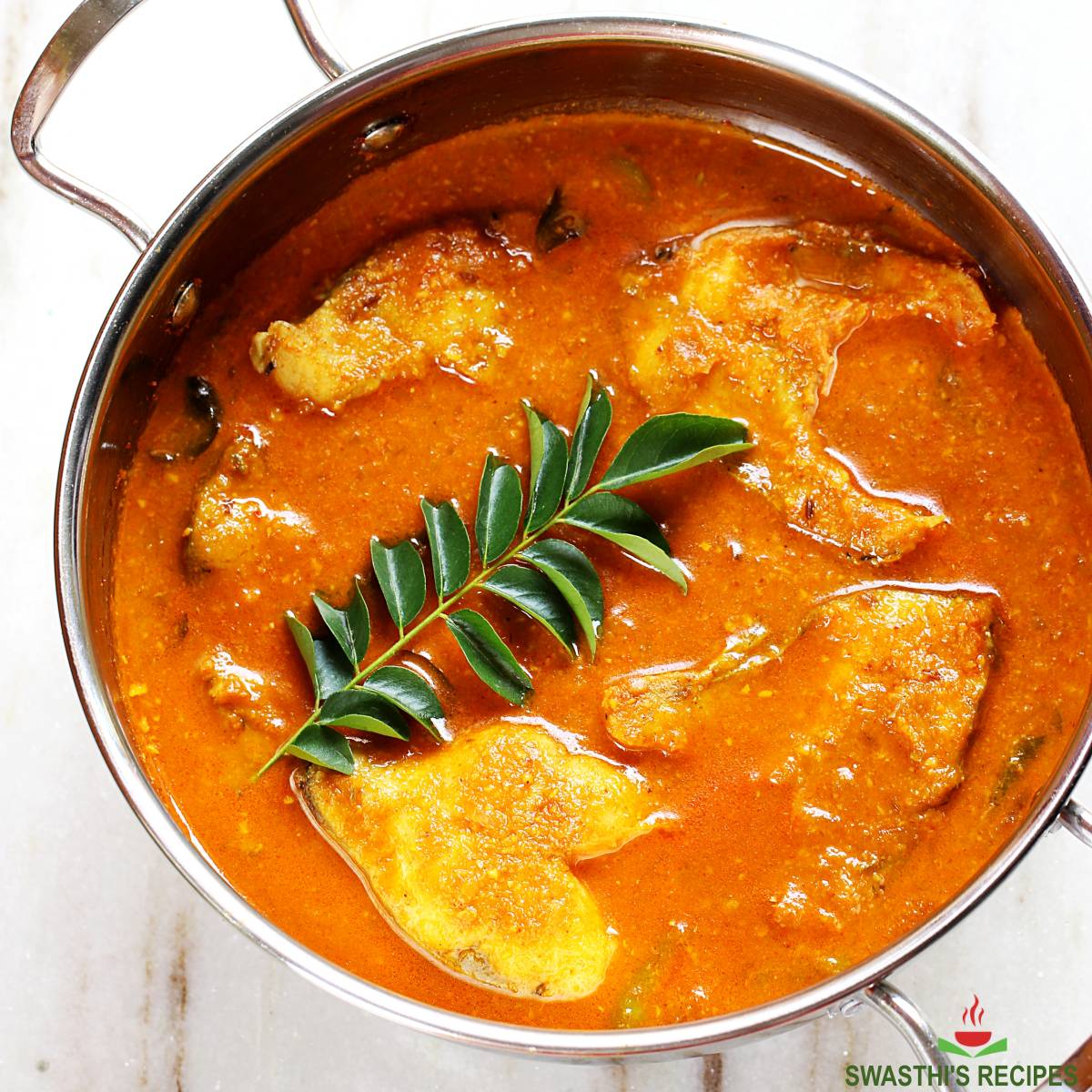
Bengali cuisine is renowned for its rich flavors and its deep love for fish.
A classic fish curry, prepared with aromatic spices and mustard oil, served alongside steamed rice,
beautifully defines the culinary identity of West Bengal.
🐟 Preparation
1. Marinating the Fish:
~ Take pieces of fresh fish (like Rohu or Katla) and wash them well.
~ Marinate with turmeric powder and salt. Set aside for 15–20 minutes.
2. Frying the Fish:
~ Heat mustard oil in a pan until it smokes lightly.
~ Gently fry the marinated fish pieces until golden brown on both sides. Remove and keep aside.
3. Making the Curry:
~ In the same oil, add nigella seeds (kalonji) and slit green chilies.
~ Add chopped onions, tomatoes, and ginger-garlic paste. Sauté until golden.
~ Add turmeric, red chili, cumin, and coriander powders. Mix well with a splash of water.
~ Once the masala releases oil, add water and bring it to a boil.
~ Add the fried fish pieces and simmer for 5–7 minutes.
4. Serving:
~ Garnish with fresh coriander leaves.
~ Serve hot with steamed basmati rice for an authentic Bengali meal.
Kerala — Appam with Stew

Kerala’s cuisine is known for its subtle flavors and the generous use of coconut.
One of the most loved dishes is Appam with Stew — soft, lacy rice pancakes paired with a mildly spiced coconut milk-based vegetable or chicken stew.
It’s a comforting and wholesome meal often served for breakfast or dinner in Kerala households.
🥥 Preparation
1. Making Appam:
~ Soak raw rice for 4–5 hours and grind it with grated coconut and cooked rice to form a smooth batter.
~ Add a pinch of yeast and sugar, and let it ferment overnight.
~ Heat a special appam pan (appachatti), pour a ladleful of batter, and swirl it around to form thin edges.
~ Cover and cook until the edges are crisp and the center is soft and fluffy.
2. Making the Stew:
~ Heat coconut oil in a pan and add whole spices like cloves, cardamom, and cinnamon.
~ Add sliced onions, ginger, garlic, and green chilies; sauté until translucent.
~ Add vegetables (like potatoes, carrots, and beans) or chicken pieces along with salt and pepper.
~ Pour in thin coconut milk and cook until the vegetables or chicken turn tender.
~ Add thick coconut milk at the end and simmer gently — do not boil.
3. Serving:
~ Serve hot appams with the fragrant stew for a traditional Kerala-style breakfast or dinner.
Maharashtra — Puran Poli

Puran Poli is a traditional Maharashtrian sweet flatbread, soft and aromatic, stuffed with a delicious mixture of jaggery and lentils.
It is especially prepared during festivals like Holi, Gudi Padwa, and Diwali, symbolizing warmth, celebration, and togetherness.
🫓 Preparation
1. Making the Dough:
~ Combine wheat flour and a little all-purpose flour (maida) with a pinch of salt and a drizzle of oil.
~ Add water gradually to form a soft, pliable dough. Cover and rest for 30 minutes.
2. Preparing the Filling (Puran):
~ Cook chana dal (split Bengal gram) until soft, then drain excess water.
~ Add jaggery and cook until the mixture thickens.
~ Stir in cardamom powder and nutmeg for flavor.
~ Mash the mixture until smooth and let it cool.
3. Assembling the Puran Poli:
~ Divide the dough and puran filling into equal portions.
~ Roll out a dough ball slightly, place the puran inside, and seal it carefully.
~ Gently roll again into a round flatbread using light pressure.
4. Cooking:
~ Heat a tawa (griddle) and cook the poli on both sides until golden brown, applying ghee as it cooks.
5. Serving:
~ Serve warm with a dollop of ghee or milk — a true Maharashtrian festive delight.
Tamil Nadu — Idli & Sambar

Idli and Sambar form the staple breakfast of Tamil Nadu, representing simplicity, nutrition, and comfort.
Soft, fluffy steamed rice cakes (idlis) are paired with a flavorful lentil and vegetable stew (sambar),
making it a wholesome and balanced South Indian meal.
🍛 Preparation
1. Preparing the Idli Batter:
~ Soak rice and urad dal (black gram) separately for 4–6 hours.
~ Grind them to a smooth batter, mix together, and add salt.
~ Allow the batter to ferment overnight until it rises and turns airy.
2. Making Idlis:
~ Grease the idli molds lightly with oil.
~ Pour the fermented batter into each mold and steam for about 10–12 minutes.
~ Remove gently and set aside.
3. Preparing the Sambar:
~ Cook toor dal (pigeon peas) until soft and mash well.
~ In a pot, heat oil and add mustard seeds, curry leaves, and dried red chilies.
~ Add chopped onions, tomatoes, tamarind extract, and vegetables like drumstick, brinjal, and carrots.
~ Mix in sambar powder, salt, and cooked dal. Simmer until the flavors blend well.
4. Serving:
~ Serve hot idlis with steaming sambar and a side of coconut chutney for a classic Tamil breakfast experience.
Gujarat — Dhokla

Gujarat is famous for its light, fluffy, and mildly tangy Dhokla —
a steamed savory cake made from fermented rice and chickpea flour (besan).
Soft in texture and delicately spiced, Dhokla is perfect for breakfast, snacks, or even festive occasions.
🌿 Preparation
1. Preparing the Batter:
~ Combine chickpea flour (besan) with semolina (sooji), yogurt, turmeric, salt, and a pinch of sugar.
~ Add water gradually to form a smooth, lump-free batter.
~ Let the batter rest for 15–20 minutes to ferment slightly.
2. Steaming the Dhokla:
~ Just before steaming, add fruit salt (Eno) and mix gently.
~ Pour the batter into a greased steaming tray.
~ Steam for 15–20 minutes until a toothpick inserted comes out clean.
~ Let it cool slightly, then cut into square or diamond pieces.
3. Preparing the Tempering:
~ Heat oil in a pan; add mustard seeds, curry leaves, green chilies, and a pinch of asafoetida (hing).
~ Pour this tempering evenly over the steamed dhokla pieces.
~ Optionally, drizzle a little sugar-water mix for extra softness.
4. Serving:
~ Garnish with chopped coriander and grated coconut.
~ Serve warm or at room temperature with green chutney for a classic Gujarati treat.
Haryana — Bajra Roti with Sarson Ka Saag
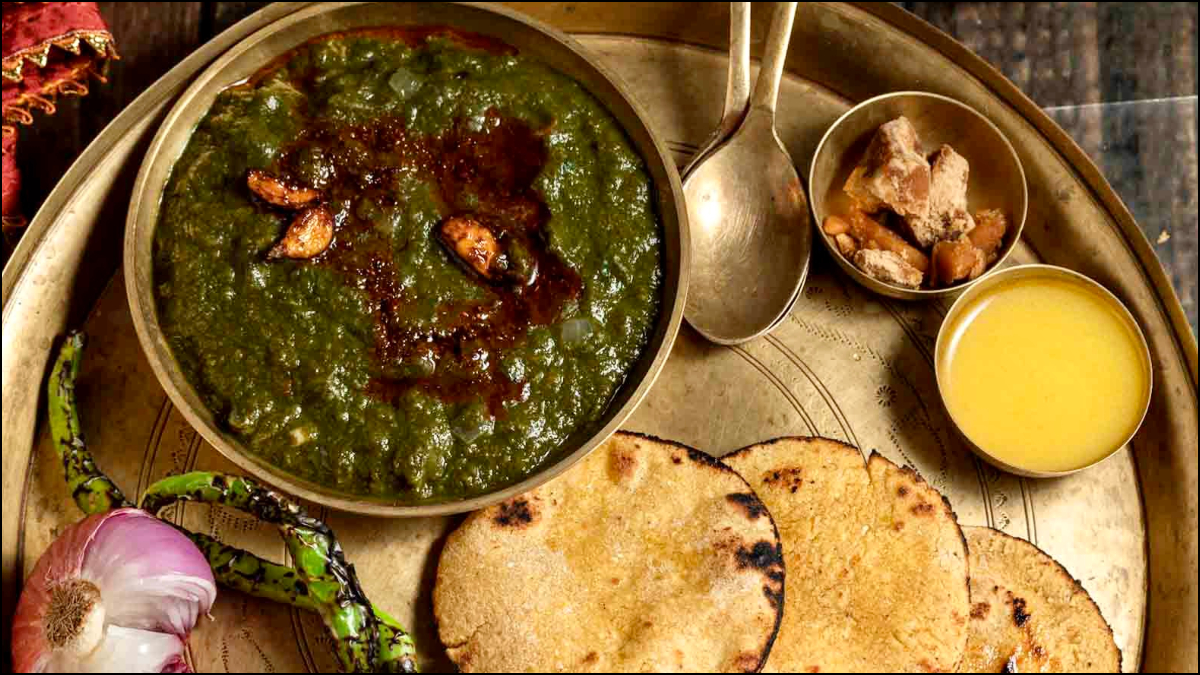
Haryana’s traditional dish Bajra Roti with Sarson Ka Saag is a wholesome and nourishing winter meal.
Made from hearty millet flour and served with spiced mustard greens,
this combination reflects the simplicity and richness of North Indian rural cuisine.
🌾 Preparation
1. Making Bajra Roti:
~ Take bajra (pearl millet) flour in a bowl and add a pinch of salt.
~ Add warm water gradually and knead into a soft dough.
~ Shape into small balls and gently pat each into a round flatbread using your palms.
~ Cook on a hot tawa (griddle) until both sides turn brown, applying a little ghee for flavor.
2. Preparing Sarson Ka Saag:
~ Clean and boil mustard greens (sarson), spinach (palak), and bathua leaves together until soft.
~ Blend the cooked greens coarsely and set aside.
~ In a pan, heat ghee and add chopped onions, garlic, ginger, and green chilies.
~ Add maize flour (makki atta) to thicken, followed by the blended greens.
~ Season with salt, red chili powder, and a little garam masala. Simmer until the saag turns rich and thick.
3. Serving:
~ Serve hot Sarson Ka Saag with freshly made Bajra Roti, a dollop of butter, and jaggery on the side — a perfect winter comfort meal from Haryana.
Karnataka — Bisi Bele Bath
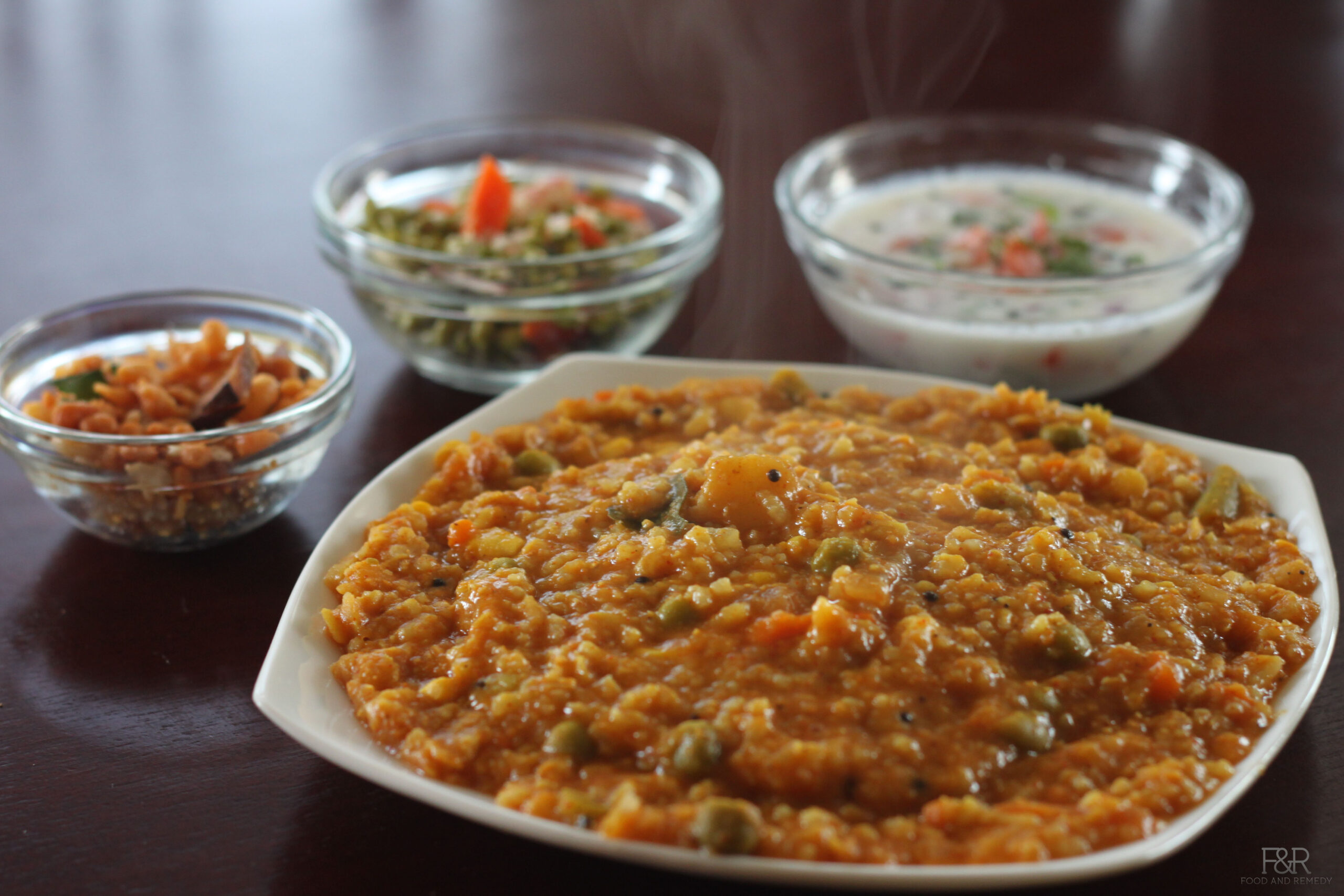
Bisi Bele Bath is a spicy, tangy rice and lentil dish with vegetables, unique to Karnataka, often served with papad or yogurt.
Goa — Vindaloo
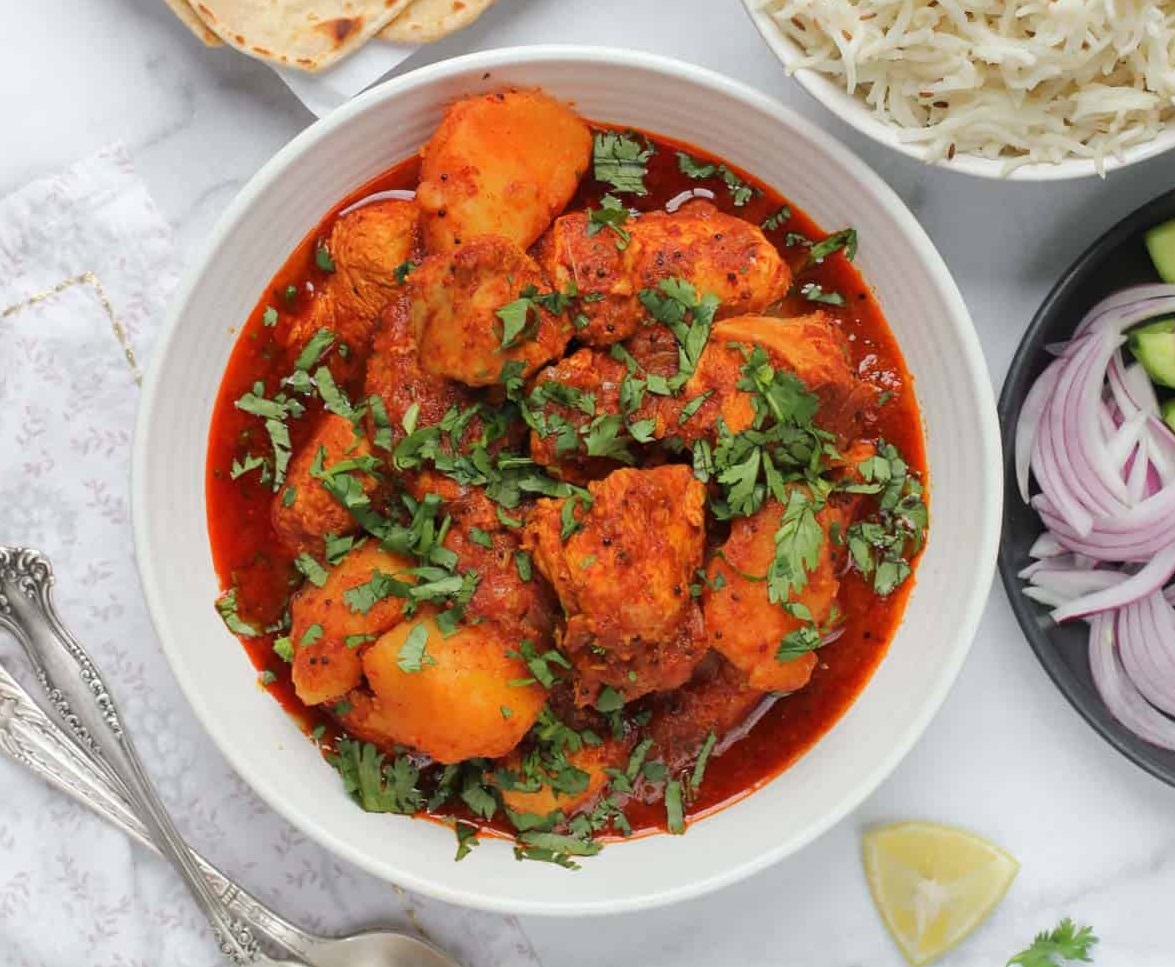
Goa’s signature dish, Vindaloo, is a spicy and tangy curry traditionally made with pork, vinegar, and aromatic spices, reflecting Portuguese influences.
Uttar Pradesh — Tunday Kababi
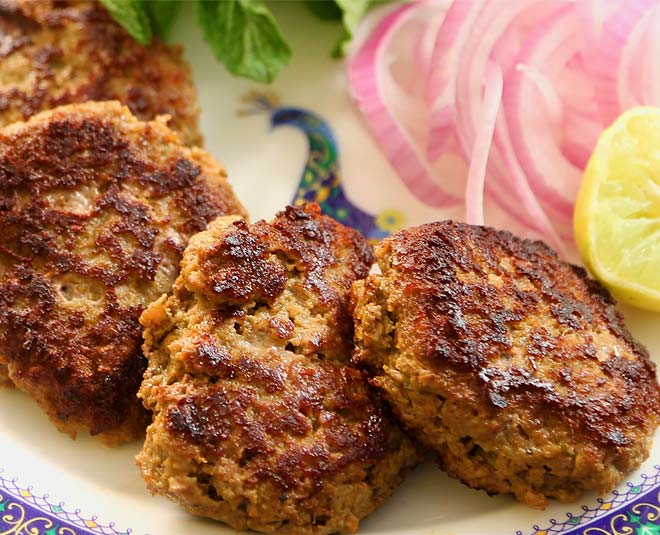
Lucknow in Uttar Pradesh is famous for Tunday Kababi — soft, spiced kebabs made from finely minced meat and a secret blend of 100+ spices.
Assam — Assam Laksa

Assamese cuisine offers dishes like Fish Curry with rice, rich in flavors of local herbs and mustard oil, representing the northeastern culinary style.
Odisha — Dalma

Dalma is a traditional Odia dish made with lentils and vegetables, lightly spiced with ginger, garlic, and mustard seeds — a staple in Odia households.
Conclusion
India’s culinary diversity is staggering, with every state offering unique flavors, ingredients, and cooking styles. This journey across states highlights the rich food heritage, regional identity, and cultural significance of India’s signature dishes.


Comments
Post a Comment