As the Weather changes -The Food also changes
☀️ The Shift of Beverages as per Weather Change in India
From steaming cups of masala chai in the foggy winters to icy glasses of lassi and nimbu pani in the scorching summers — India’s beverages flow with the rhythm of its seasons.

🍂 Winter Warmth — Chai, Coffee & Kahwa
As the mercury drops, Indians turn to comforting, hot beverages. The masala chai becomes a daily ritual — brewed with black tea, milk, ginger, and a medley of spices like cardamom and cloves. In North India, Kashmiri Kahwa, a green tea infused with saffron and almonds, adds warmth and aroma. Meanwhile, urban cafés fill with the scent of filter coffee and chocolate drinks — perfect companions for chilly mornings.
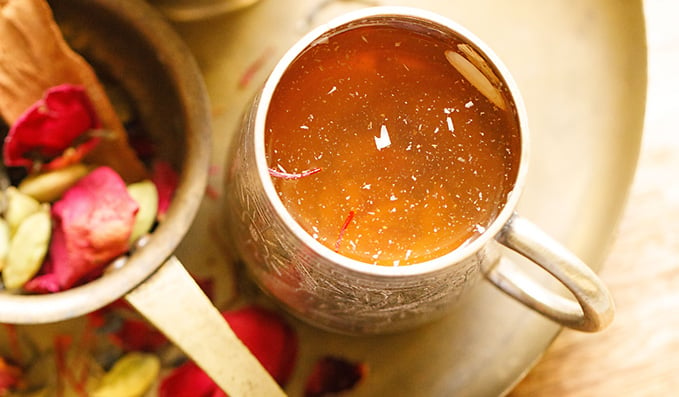
🌸 Spring Freshness — Herbal Infusions & Fruit Juices
Spring brings balance — neither too hot nor too cold. During this pleasant transition, Indians enjoy lighter and refreshing drinks like herbal teas made with tulsi, lemongrass, or hibiscus. Fresh fruit juices, especially orange and sugarcane juice, mark the start of the harvest season. This period celebrates natural sweetness and mild energy boosts before the heat sets in.
🔥 Summer Coolers — Lassi, Nimbu Pani & Jaljeera
India’s summer demands hydration. The timeless favorites are lassi — a yogurt-based drink that soothes and cools, and nimbu pani (lemon water) that replenishes lost salts. Street vendors sell jaljeera, a tangy cumin-spiced drink that aids digestion. In the South, buttermilk or neer mor becomes a staple to beat the tropical heat.
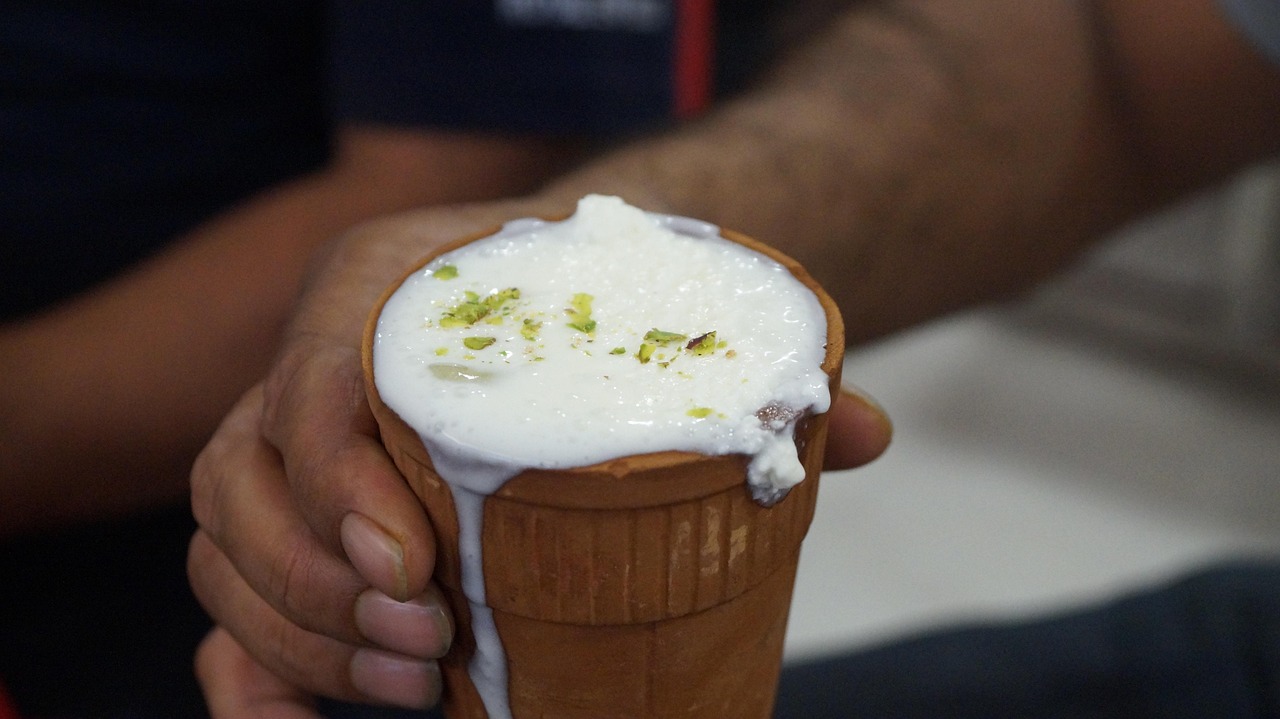
🌧️ Monsoon Magic — Tea & Bhutta Companions
With the rains come nostalgia and a craving for hot sips. Adrak wali chai (ginger tea) and cutting chai rule the streets as people huddle under tin roofs. The smoky aroma of roasted corn (bhutta) pairs perfectly with these hot cups. Herbal drinks like kadha and turmeric milk are also enjoyed for immunity during this damp season.

🍁 Autumn Comfort — Saffron Milk & Spiced Cocoa
As the festive season arrives, so do rich drinks that reflect abundance. Badam milk with saffron and cardamom, haldi doodh (turmeric milk), and spiced cocoa offer nourishment and celebration in every sip. It’s a time for warmth, joy, and cozy evenings before winter returns.
🌤️ Fun Fact:
India’s beverage habits are so climate-driven that even railway stations and roadside stalls adapt — serving chilled sodas in summer and steaming tea in winter!
Seasonal Influence on Beverage Choices in India
India’s diverse climate deeply influences what people drink throughout the year. The beverage landscape changes dramatically with each season, reflecting not only temperature shifts but also regional traditions and health beliefs.
☀️ Summer Sips
In the scorching summer months, Indians turn to cooling and hydrating beverages like lassi, nimbu pani (lemon water), buttermilk, jaljeera, and coconut water. These drinks help beat the heat, restore electrolytes, and soothe the digestive system. Street stalls often serve kulukki sherbet in Kerala and aam panna in North India, both known for their refreshing tang and health benefits.
🌧️ Monsoon Comforts
During the rainy season, warm and spicy beverages make a comeback. Indians enjoy adrak chai (ginger tea) and masala tea to ward off colds and add warmth to damp days. Filter coffee in South India and herbal kadha in North India are also preferred for their immunity-boosting properties.
❄️ Winter Warmers
As the temperature drops, hot beverages become a daily ritual. Chai becomes stronger and spicier, while badam milk and turmeric latte (haldi doodh) gain popularity for their comforting and healing nature. Some regions relish kahwa (Kashmiri green tea) and hot chocolate during the colder months.
🌸 Spring & Autumn Transition
In transitional seasons, beverages like rose milk, tulsi tea, and fresh fruit juices strike a balance — light yet revitalizing. These drinks prepare the body for the shift between temperature extremes and are often enjoyed during festivals like Holi and Diwali.
🌿 The Evolving Beverage Culture
With urbanization and globalization, the Indian beverage scene now embraces new trends such as cold brews, kombucha, and infused waters, while still maintaining its deep-rooted connection to traditional drinks. The adaptability of Indian beverage culture perfectly mirrors the country's dynamic seasons and rich culinary diversity.


Comments
Post a Comment